


When the final buzzer sounded, the women’s basketball team from the University of California, Los Angeles (UCLA) rushed onto the court. They had just won the 2026 national championship. Led by star players such as Lauren Betts and Gabriela Jaquez, UCLA had overpowered the University of South Carolina, winning 79-51 in front of a sellout crowd of nearly 16,000 people.
About 10 million viewers tuned in to see who would win, making it one of the most-watched games of this year’s National Collegiate Athletic Association (NCAA) Division I tournaments, better known as March Madness. But a few decades ago, having millions of people watch a women’s basketball game was unheard of. In fact, the women’s tournament wasn’t even allowed to use the term March Madness until 2022. Before then, it had been reserved for the men’s tournament.
Buzz around women’s basketball has been soaring. Recent viewership is among the highest in the sport’s history, and players like Azzi Fudd of the University of Connecticut and Flau’jae Johnson of Louisiana State University are stars in their own right. Johnson, for example, has more than 10 times as many social media followers as many of the top players in the men’s game.
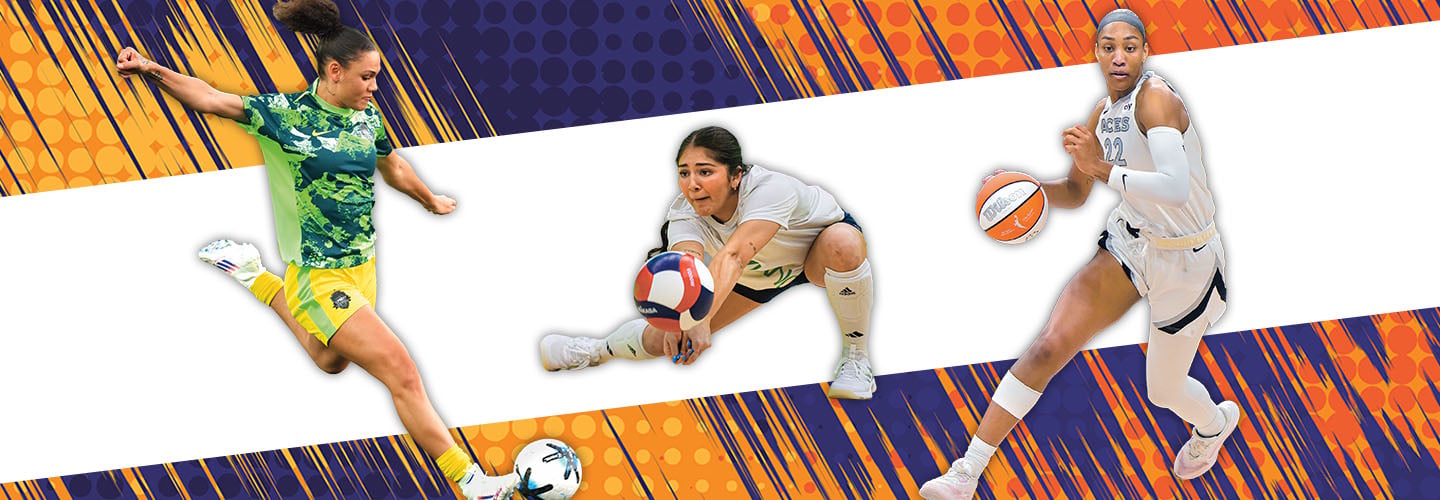
And college basketball isn’t the only women’s sport that’s gaining momentum these days. There are new professional leagues for softball, volleyball, and baseball, and existing pro leagues, such as the Women’s National Basketball Association (WNBA), are seeing attendance and revenue soar. And millions of new fans—many of them teens—are finding inspiration on the court and the field.
“This moment feels like we’ve crossed a threshold where there is no going back,” says Victoria Jackson, a sports historian at Arizona State University.
The women’s basketball team from the University of California, Los Angeles (UCLA) rushed onto the court at the final buzzer. They had just won the 2026 national championship. They were led by star players such as Lauren Betts and Gabriela Jaquez. UCLA had won 79-51 over the University of South Carolina, in front of a sellout crowd of nearly 16,000 people.
About 10 million viewers tuned in to see who would win the game. That made it one of the most-watched games of this year’s National Collegiate Athletic Association (NCAA) Division I tournaments. The tournaments are known as March Madness. But a few decades ago, having millions of people watch a women’s basketball game was unheard of. In fact, the women’s tournament wasn’t even allowed to use the term March Madness until 2022. Before then, the term referred only to the men’s tournament.
The popularity of women’s basketball has been soaring. Recent viewership is among the highest in the history of the sport. Players like Azzi Fudd of the University of Connecticut and Flau’jae Johnson of Louisiana State University are stars in their own right. Johnson has more than 10 times as many social media followers as many of the top players in the men’s game.
College basketball isn’t the only women’s sport that is becoming popular these days. There are new professional leagues for softball, volleyball, and baseball. Attendance and revenue are soaring for existing pro leagues, such as the Women’s National Basketball Association (WNBA). And millions of new fans, many of them teens, are finding inspiration on the court and the field.
“This moment feels like we’ve crossed a threshold where there is no going back,” says Victoria Jackson, a sports historian at Arizona State University.