


ILLUSTRATION BY SEAN MCCABE

Standards

Could Their Bill Become a Law?

Some students wanted high schools to teach real-world skills such as how to file taxes. Follow along as they fight for their big idea in the Florida Legislature.

Laraina Fernandez stood nervously before lawmakers in Tallahassee, Florida’s capital, last spring. She and three of her classmates had dreamed up an idea for a new law, and Laraina, 17, was trying to persuade their state’s legislature to pass it.

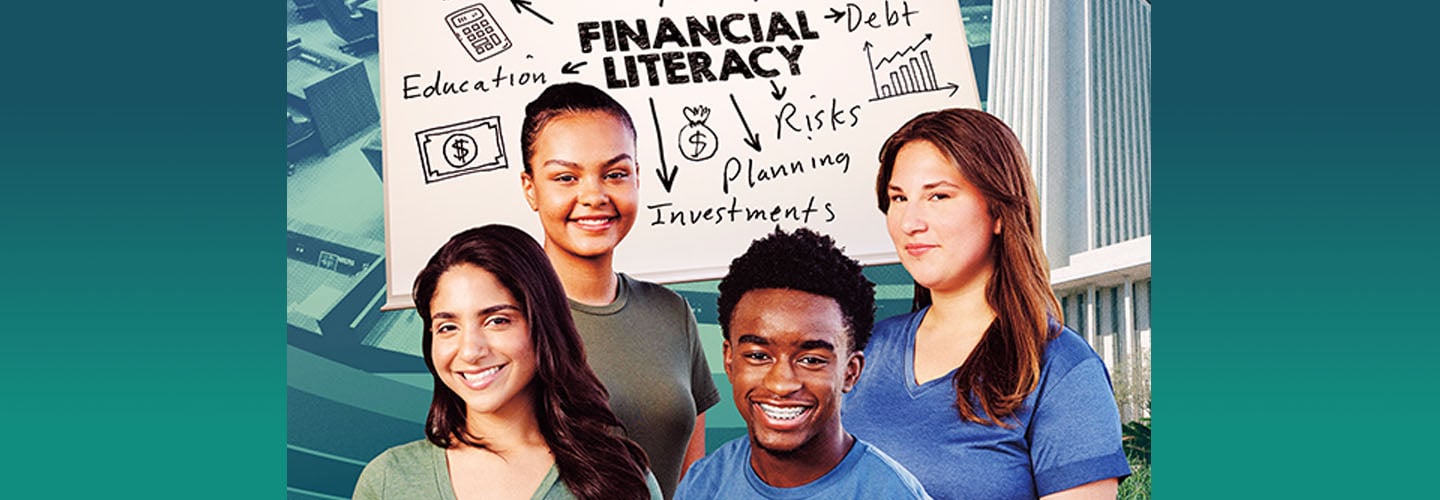
The bill, called the Smart Living Act, would ensure that high school students in Florida are taught life skills in class—such as how to create a résumé, change a tire, and file income taxes. 

“Those are things that students are going to have to rely on in their adult life after high school,” says Laraina, a student at Jefferson High School in Tampa, Florida.

Laraina and her classmates came up with the proposal as part of a bill-drafting competition held every year among 28 high schools in the Hillsborough County public schools district. They decided to try to get it passed. So last fall they teamed up with Susan Valdés, the state representative for their district, to make it happen. Valdés agreed to sponsor their bill in the state House of Representatives—and to help the students navigate the process.

To become a state law, the bill would first need approval from both chambers of the Florida Legislature: the House and the Senate. Then it would go to the governor for approval. Even with Valdés on their side and Laraina’s testimony, the odds weren’t in their favor. Only a small fraction of bills are ultimately successful (see “A Bill’s Long Odds”). What would it take to bring their law to life?

Last spring, Laraina Fernandez was nervous as she stood in front of lawmakers in Tallahassee, Florida’s capital. She and three of her classmates had dreamed up an idea for a new law. Now Laraina, 17, was trying to persuade the state’s legislature to pass it.

The bill was called the Smart Living Act. It would guarantee that high school students in Florida are taught life skills in class. The skills suggested included how to create a résumé, change a tire, and file income taxes.

“Those are things that students are going to have to rely on in their adult life after high school,” says Laraina, a student at Jefferson High School in Tampa, Florida.

Laraina and her classmates came up with the proposal as part of a bill-drafting competition. The contest is held every year among 28 high schools in the Hillsborough County public schools district. The students decided to try to get it passed. So last fall they teamed up with Susan Valdés, the state representative for their district, to make it happen. Valdés agreed to sponsor their bill in the state House of Representatives. She also agreed to help the students navigate the process.

The bill would first need approval from both chambers of the Florida Legislature: the House and the Senate. Then it would go to the governor for approval. Once approved by the governor, the bill would become a law. Even with Valdés’s help and Laraina’s testimony, the odds weren’t in their favor. Only a small fraction of bills are ultimately successful (see “A Bill’s Long Odds”). What would it take to bring their law to life?

ALLISON KHUN

Team Effort: Representative Susan Valdés (center) and bill authors Genesis Salcedo Lima, 17; Sevion Daniels, 18; Kamilah Collazo, 18; and Laraina Fernandez, 17.

Drafting the Bill 

Laraina and her classmates knew what they wanted their bill to achieve. But its wording had to be precise and follow a specific format. To help, Valdés submitted their idea to the House Bill Drafting Service, a department in the legislature. The bill drafters worked with the teens to get the wording just so. 

“We went back and forth . . . a bunch of times just to make sure our bill was perfect and that everybody on the team was happy,” Laraina says.

At the same time, the teens met with an education policy expert to learn about potential life skills they could include in their bill. They ended up adding one more—learning how to apply for scholarships, grants, and loans to pay for college.

In late February, just before Florida’s regular legislative session began, Valdés and the students filed their bill in the House online. They hit the button together. High fives and cheering followed. 

“Seeing the bill submitted was the most amazing experience out of the whole process,” Sevion Daniels, 18, recalls.

Laraina and her classmates knew what they wanted their bill to achieve. But its wording had to be precise and follow a specific format. To help, Valdés submitted their idea to the House Bill Drafting Service, a department in the legislature. The bill drafters worked with the teens to perfect the wording. 

“We went back and forth . . . a bunch of times just to make sure our bill was perfect and that everybody on the team was happy,” Laraina says.

At the same time, the teens met with an education policy expert. They wanted to learn about potential life skills they could include in their bill. They ended up adding one more—learning how to apply for scholarships, grants, and loans to pay for college.

In late February, just before Florida’s regular legislative session began, Valdés and the students filed their bill in the House online. They hit the button together. High fives and cheering followed. 

“Seeing the bill submitted was the most amazing experience out of the whole process,” Sevion Daniels, 18, recalls.

A Bill’s Long Odds

Only about 12 percent of the bills that Florida lawmakers introduced in 2025 became laws. Some bills died because of a lack of votes. Others were incorporated into larger bills. Here’s the final breakdown.

1,959

Bills introduced by House and Senate

Bills introduced by House and Senate

453

Bills passed by at least one chamber

Bills passed by at least one chamber

269

Bills passed by both chambers

Bills passed by both chambers

228

Bills signed into law by Governor Ron DeSantis

Source: The Florida Senate

Bills signed into law by Governor Ron DeSantis

Source: The Florida Senate

Heading to Committee 

The bill’s first stop in the House was the Careers and Workforce Subcommittee. The House is divided into groups of lawmakers who focus on different topics. Committees and subcommittees conduct hearings and gather more information about bills, then they decide whether those bills should be scrapped, changed, or moved along for more House members to consider. 

Laraina and her classmate Genesis Salcedo Lima, 17, visited the state capitol in late March to address the Careers and Workforce Subcommittee on behalf of their bill.

“We were so scared,” Laraina recalls, “because we’re a couple of teenagers in front of this big group of adults.”

But those fears seemed to melt away as the classmates stepped up to the lectern and addressed the panel of lawmakers.

“The focus of our bill is students progressing in life after high school,” Laraina said, “because we are not taught everything that we need to be sitting in the chairs that you all are now.”

Genesis added that learning about things like debt and insurance was as crucial as learning algebra or biology. “These are all incredibly important skills one needs to attain,” she said. 

Their efforts paid off. By a unanimous vote, the subcommittee approved their bill.

“I felt important,” Laraina told Valdés after the hearing. “They were really paying attention.”

“You wowed them,” Valdés replied. 

The bill’s first stop in the House was the Careers and Workforce Subcommittee. The House is divided into groups of lawmakers who focus on different topics. These committees and subcommittees conduct hearings. They gather more information about bills. Then they decide whether those bills should be dropped, changed, or moved along for more House members to consider. 

Laraina and her classmate Genesis Salcedo Lima, 17, visited the state capitol in late March to address the Careers and Workforce Subcommittee on behalf of their bill.

“We were so scared,” Laraina recalls, “because we’re a couple of teenagers in front of this big group of adults.”

Their fears faded as the classmates went up to the lectern and addressed the lawmakers.

“The focus of our bill is students progressing in life after high school,” Laraina said, “because we are not taught everything that we need to be sitting in the chairs that you all are now.”

Genesis added that learning about things like debt and insurance was as crucial as learning algebra or biology. “These are all incredibly important skills one needs to attain,” she said. 

Their efforts paid off. By a unanimous vote, the subcommittee approved their bill.

“I felt important,” Laraina told Valdés after the hearing. “They were really paying attention.”

“You wowed them,” Valdés replied.      

THE FLORIDA CHANNEL

Making Their Case: Fernandez (left) and Salcedo Lima testify in the Florida House in 2025.

Amending the Bill

The teens couldn’t focus only on the House, however. They needed someone to introduce their bill in the Senate so it could go through a similar committee process there. But the Senate sponsorship they had found fell through. And if a bill doesn’t have a companion bill filed in the other chamber, it typically won’t advance.

These kinds of hurdles are built into the system, says Geoff Lorenz, a political scientist at the University of Nebraska who studies the legislative process. It’s to ensure that bills that advance have broad support among lawmakers.

“You have to satisfy lots of different people who have lots of different interests,” Lorenz says.

The teens couldn’t focus only on the House, however. They needed someone to introduce their bill in the Senate. It would have to go through a similar committee process there. But the Senate sponsorship they had found fell through. And if a bill doesn’t have a companion bill filed in the other chamber, it usually doesn’t advance.

These kinds of hurdles are built into the system, says Geoff Lorenz, a political scientist at the University of Nebraska who studies the legislative process. The process makes sure bills that continue have broad support among lawmakers.

“You have to satisfy lots of different people who have lots of different interests,” Lorenz says.

The students had to make changes to gain support for their bill. 

So Valdés and the teens tried a different strategy: adding their idea to HB 1255, a larger education bill that was already moving through both chambers of the legislature. Many lawmakers at the state and national level use this technique to get smaller bills passed.

Valdés filed an amendment to HB 1255. This gave the teens’ idea a better chance of becoming law—but at a cost. Not all of the Smart Living Act was added, only the life skills related to financial management and applying for financial aid for college. 

“That was a way of compromising,” Valdés explains, “of being able to get their voices heard.” 

So Valdés and the teens tried a different strategy. They added their idea to HB 1255, a larger education bill that was already moving through both chambers of the legislature. Many lawmakers at the state and national level use this technique to get smaller bills passed.

Valdés filed an amendment to HB 1255. This gave the teens’ idea a better chance of becoming law—but at a cost. Not all of the Smart Living Act was added. They added only the life skills related to financial management and applying for financial aid for college. 

“That was a way of compromising,” Valdés explains, “of being able to get their voices heard.”  

Passing the Chambers 

Success wasn’t guaranteed though. The larger education bill still had to go through more committees in the House and Senate. After HB 1255 received approval from House committees, representatives voted on the legislation in late April. A bill needs to receive a majority of votes to pass. HB 1255 passed in the House with a vote of 86 to 27. 

But the Senate version of the bill was still in committee—and time was running out. The legislature typically meets for 60 days. Any bills not passed in that time fail. Plus, for a bill to become a law, both chambers must approve it with identical language. So to save time, the Senate adopted the House version of the bill. 

The Senate passed the bill, but with edits to some of the wording—requiring the bill to return to the House for another vote. The House made a few more changes to the Senate’s version before once again voting. This time, the bill passed the House unanimously. That final version bounced back to the Senate, which also approved it.

Success wasn’t guaranteed though. The larger education bill still had to go through more committees in the House and Senate. After HB 1255 received approval from House committees, representatives voted on the legislation in late April. A bill needs to receive a majority of votes to pass. HB 1255 passed in the House with a vote of 86 to 27. 

But the Senate version of the bill was still in committee, and time was running out. The legislature typically meets for 60 days. Any bills not passed in that time fail. Plus, for a bill to become a law, both chambers must approve it with identical language. So to save time, the Senate adopted the House version of the bill. 

The Senate passed the bill, but with edits to some of the wording. The changes required the bill to return to the House for another vote. The House made a few more changes to the Senate’s version. Then they voted again. This time, the bill passed the House unanimously. The final version went back to the Senate. It was also approved.

Going to the Governor 

Once the bill was passed by both chambers, it went to the governor. On May 30, Florida Governor Ron DeSantis signed the bill.

With that, the education bill became law—including part of the students’ original Smart Living Act. As of July, Florida public schools must now teach high schoolers skills like how to manage their money and apply for scholarships. 

A key part of the bill is a requirement that high school financial literacy courses cover FAFSA (Free Application for Federal Student Aid). Many students think they can’t afford college, unaware that they qualify for Pell Grants or other kinds of aid. Getting FAFSA into the curriculum was a big achievement. The Florida College Access Network, an organization that works to boost college enrollment in the state, had tried for years to persuade lawmakers to get instruction about the program into schools. 

“What a big organization couldn’t do,” Valdés says, “these kids got it done for us.”

Once the bill was passed by both chambers, it went to the governor. On May 30, Florida Governor Ron DeSantis signed the bill.

With that, the education bill became law—including part of the students’ original Smart Living Act. As of July, Florida public schools must now teach high schoolers skills like how to manage their money and apply for scholarships. 

A key part of the bill is a requirement that high school financial literacy courses cover FAFSA (Free Application for Federal Student Aid). Many students think they can’t afford college. They are unaware that they qualify for Pell Grants or other kinds of aid. Getting FAFSA into the curriculum was a big achievement. The Florida College Access Network is an organization that works to boost college enrollment in the state. It had tried for years to persuade lawmakers to get instruction about the program into schools. 

“What a big organization couldn’t do,” Valdés says, “these kids got it done for us.”

Life Lessons

The Jefferson students have joined a growing list of teens who’ve identified problems affecting their generation and fought to pass laws to address them (see “Pushing for Change”).

It helped that they were able to state exactly what they wanted in their bill. Lawmakers want to make meaningful impacts on their communities, says Lorenz, the political scientist, and they like ideas that address specific problems and can gain wide support.

Valdés says she hopes the students take away a belief in government’s ability to provide opportunity and reward people for their hard work. And she credits the Jefferson group for sticking with the long process of turning their bill into law.

“They’re just regular kids who saw there was a problem, and they thought that they could probably fix it,” she says. “And they did.” 

The Jefferson students have joined a growing list of teens who’ve identified problems affecting their generation and fought to pass laws to address them (see “Pushing for Change”).

It helped that they were able to state exactly what they wanted in their bill. Lawmakers want to make meaningful impacts on their communities, says Lorenz, the political scientist, and they like ideas that address specific problems and can gain wide support.

Valdés says she hopes the students take away a belief in government’s ability to provide opportunity and reward people for their hard work. And she credits the Jefferson group for staying with the long process of turning their bill into law.

“They’re just regular kids who saw there was a problem, and they thought that they could probably fix it,” she says. “And they did.” 

‘I felt like I was creating history,’ says student Kamilah Collazo.

For the students, the experience offered a lesson they couldn’t have learned in class.

“I’ve never been very interested in government and never really understood what happens behind closed doors,” says Kamilah Collazo, 18. 

But that’s changed now that she’s had a chance to shape legislation that’ll impact future generations. 

“I felt like I was creating history,” she says.

Adds Sevion: “It’s very exciting to see our voices are being heard.”

For the students, the experience offered a lesson they couldn’t have learned in class.

“I’ve never been very interested in government and never really understood what happens behind closed doors,” says Kamilah Collazo, 18. 

But that’s changed now that she’s had a chance to shape legislation that will impact future generations. 

“I felt like I was creating history,” she says.

Adds Sevion: “It’s very exciting to see our voices are being heard.” 

Pushing for Change

Teens across the U.S. have tried to get various laws passed in recent years. Here are some of those efforts.

Climate Change Education Bill 

High school student Grace Brady drafted a bill that requires climate change education in Illinois public schools. The state legislature passed the bill in 2024, and it will go into effect in 2026.

Climate Change Education Bill 

High school student Grace Brady drafted a bill that requires climate change education in Illinois public schools. The state legislature passed the bill in 2024, and it will go into effect in 2026.

Foster Youth Bill of Rights 

Ella Brinen, 19, who has aged out of foster care, is currently lobbying Tennessee lawmakers to pass the bill she drafted that would protect the rights of foster children in the state.

Foster Youth Bill of Rights 

Ella Brinen, 19, who has aged out of foster care, is currently lobbying Tennessee lawmakers to pass the bill she drafted that would protect the rights of foster children in the state.

Social Media Addiction Bill 

Teenagers testified before the state legislature to champion California’s Senate Bill 976, designed to prevent social media platforms from knowingly providing an addictive feed to minors without parental consent. The bill was enacted in 2024, though it is still facing legal challenges from tech companies.

Social Media Addiction Bill 

Teenagers testified before the state legislature to champion California’s Senate Bill 976, designed to prevent social media platforms from knowingly providing an addictive feed to minors without parental consent. The bill was enacted in 2024, though it is still facing legal challenges from tech companies.

Mental Health Days Bill 

In 2019, teen activists Hailey Hardcastle and Derek Evans lobbied Oregon lawmakers to pass a bill allowing students to take mental health days from school. Governor Kate Brown signed the bill into law.

Mental Health Days Bill 

In 2019, teen activists Hailey Hardcastle and Derek Evans lobbied Oregon lawmakers to pass a bill allowing students to take mental health days from school. Governor Kate Brown signed the bill into law.

SETH WENIG/AP IMAGES

Cold Case Act of 2018 

Students from Hightstown High School in New Jersey (right) drafted a bill that makes it easier for the public to obtain records of unsolved civil rights-era crimes. A member of Congress helped them introduce the bill, and President Donald Trump signed it into law during his first term.

Cold Case Act of 2018 

Students from Hightstown High School in New Jersey (right) drafted a bill that makes it easier for the public to obtain records of unsolved civil rights-era crimes. A member of Congress helped them introduce the bill, and President Donald Trump signed it into law during his first term.

SOURCES: National Center for Science Education; WPLN News; Digital Democracy CalMatters; ABC News

SOURCES: National Center for Science Education; WPLN News; Digital Democracy CalMatters; ABC News

Skills Sheets (3)
Skills Sheets (3)
Skills Sheets (3)
Leveled Articles (1)
Text-to-Speech