

Jim McMahon
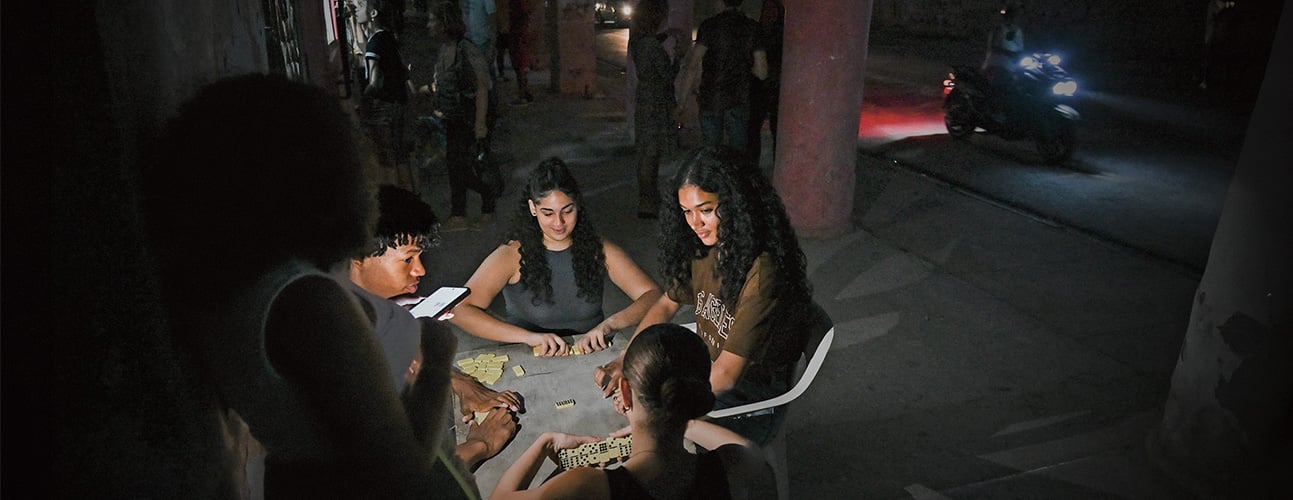
Raúl Cabrera Oliva, 18, was trying to finish his final year at a high school in Artemisa, Cuba. But in February, with a nationwide fuel shortage leaving students stranded, the school shut its doors.
“No transportation, no school,” Oliva says.
Soon after, with Cuba’s government imposing blackouts to save energy, every school in the country closed. In May, the government decided to end the school year two weeks early and scrapped college entrance exams for high school seniors. Officials finally recognized that sleepless nights without electricity and a lack of school meals were exhausting students and teachers alike.
The energy shortage stems from an oil blockade the United States imposed in January. President Donald Trump signed an executive order threatening new tariffs on any nation that tried to deliver oil to Cuba, and the U.S. military has intercepted oil tankers bound for the island. The move was intended to pressure Cuba’s Communist government into making political and economic changes.
Raúl Cabrera Oliva, 18, was trying to finish his final year at a high school in Artemisa, Cuba. But in February, with a nationwide fuel shortage leaving students stranded, the school shut its doors.
“No transportation, no school,” Oliva says.
Soon after, the Cuban government starting imposing blackouts to save energy. Every school in the country closed. In May, the government decided to end the school year two weeks early. It also scrapped college entrance exams for high school seniors. Officials finally recognized that sleepless nights without electricity and a lack of school meals were exhausting students and teachers alike.
The energy shortage stems from an oil blockade the United States imposed in January. President Donald Trump signed an executive order threatening new tariffs on any nation that tried to deliver oil to Cuba. The U.S. military has also intercepted oil tankers bound for the island. The move was intended to pressure Cuba’s Communist government into making political and economic changes.